
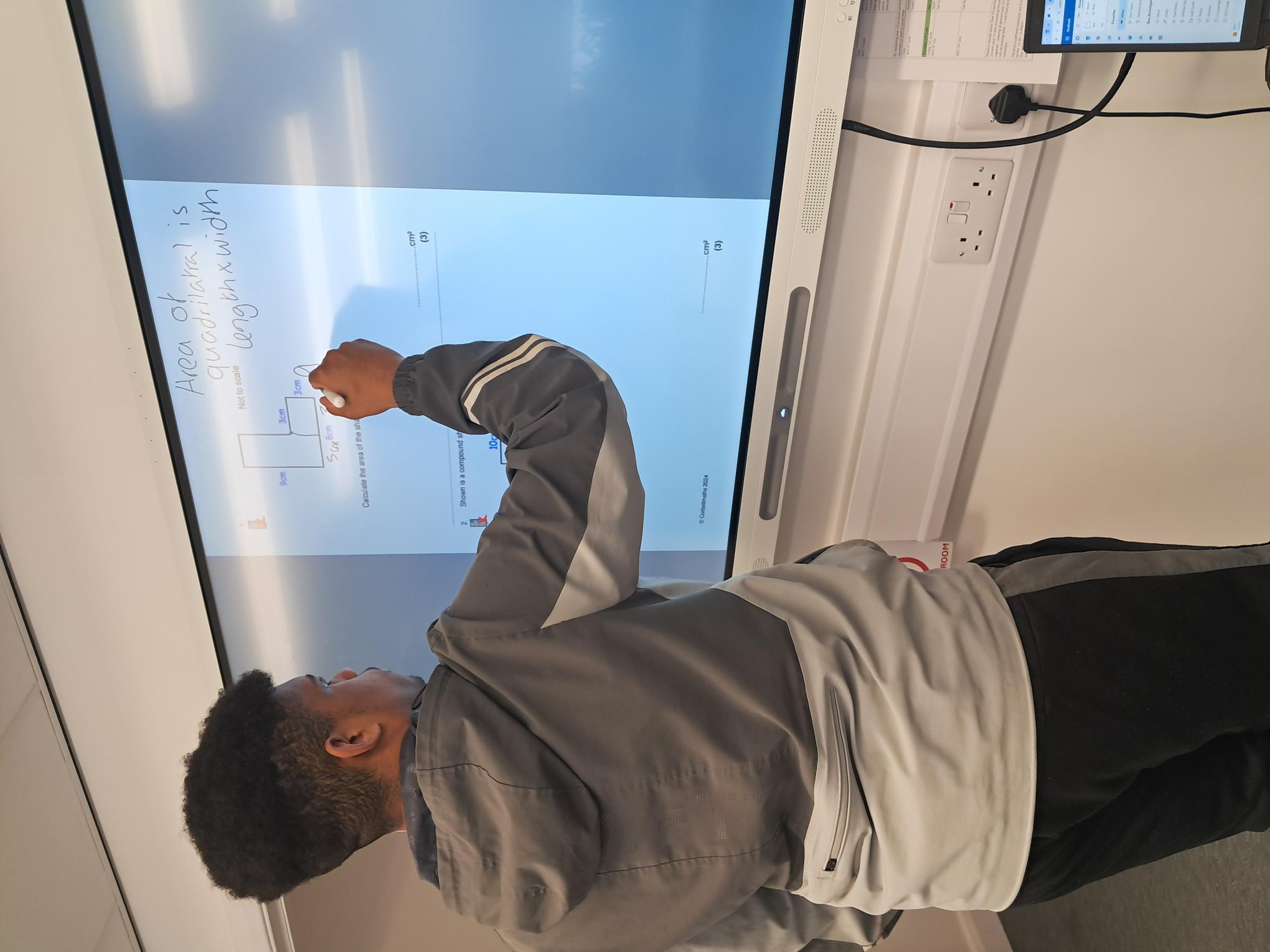
At Brian Jackson College, our approach to core learning in Maths and English is designed to do more than build academic knowledge. It is about developing confidence, independence and the real-world skills young people need to move forward into employment, further training and positive adult lives.
For our post-16 learners, engagement and relevance are central to success. That is why teaching within our core curriculum is intentionally varied, practical and responsive, ensuring every young person can access learning in ways that work for them.
Learning that connects to real life
Core Maths and English sessions take place in small classes, supported by a consistent lesson structure that provides clarity and reassurance, while still allowing flexibility within delivery. This balance enables young people to feel safe, supported and ready to learn, while also being challenged to apply their knowledge in meaningful ways.
Learning is regularly linked to real-life situations that young people recognise and understand. For example, learners have worked together to measure and record their own heights, using this data to create graphs and explore key mathematical concepts. Activities like this reinforce understanding of data handling while also encouraging collaboration, discussion and shared problem-solving.
By grounding learning in lived experience, young people are better able to see the purpose of what they are doing, strengthening motivation and retention.
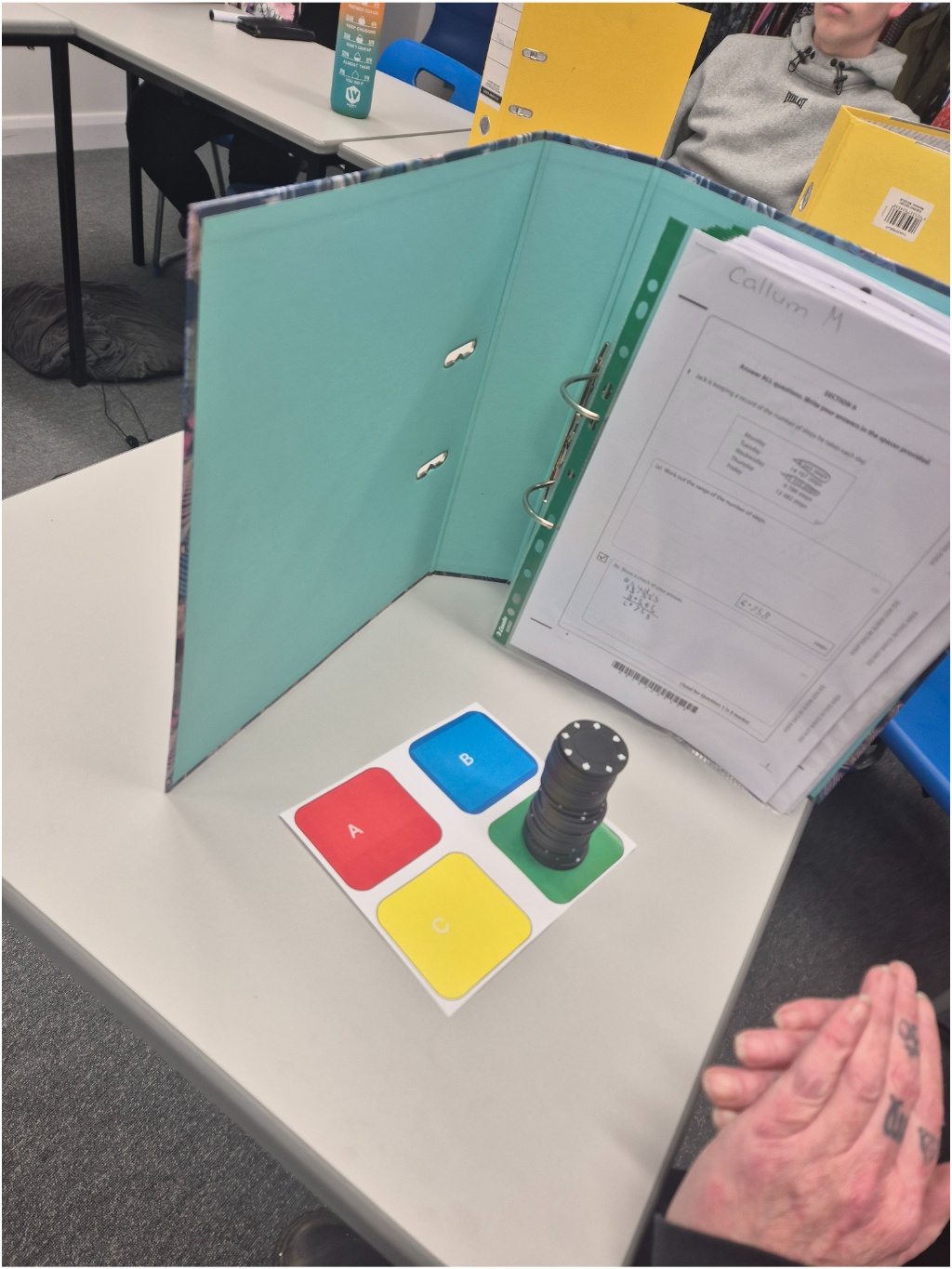
Using creativity and technology to engage learners
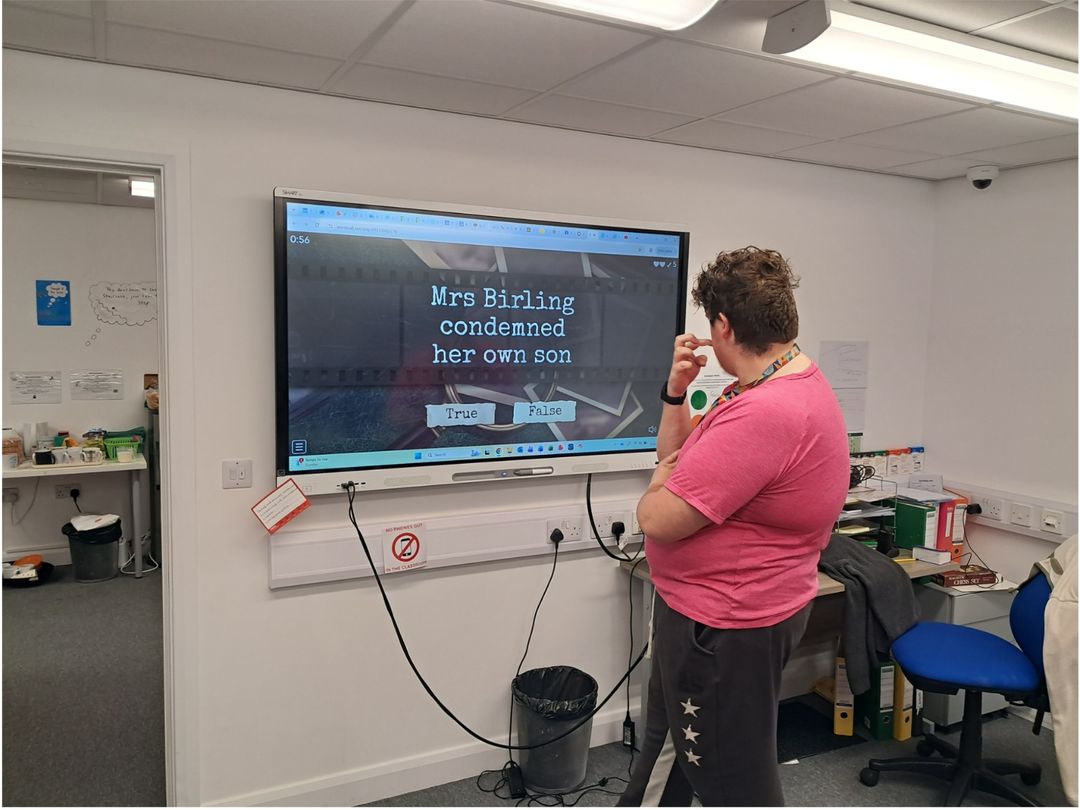
Our teaching teams use a wide range of strategies to keep learning active and engaging. This includes incorporating games-based learning and digital tools into lessons, such as interactive quizzes and online revision activities. These approaches allow learners to revisit key concepts in a way that feels accessible and enjoyable, helping to reduce anxiety around academic learning.
Game-based approaches also encourage healthy competition, teamwork and communication, all of which are essential employability skills. Through carefully designed activities, learners practice recalling information, applying knowledge under pressure and explaining their thinking to others.
Developing employability alongside academic skills
A key outcome of core learning at Brian Jackson College is preparation for employment and adult independence. Maths and English are taught not in isolation, but alongside the practical skills young people will need beyond college.
For example, learners may be given a set budget and asked to plan and complete a shopping list within financial constraints. Activities like this develop numeracy skills, but also help young people practice decision-making, problem-solving and financial awareness. These are transferable skills that support progression into work, further education or training.
By embedding employability within everyday learning, young people begin to recognise the value of core subjects in real-world contexts, building confidence in their ability to manage practical challenges independently.
Inclusive, flexible and aspirational
Our core learning reflects the wider values of Brian Jackson College: inclusive, empowering and aspirational. Lessons are adapted to reflect different starting points and learning styles, ensuring that all young people receive the right level of support at the right time.
Staff work closely with learners to build trust, celebrate progress and encourage ownership of learning. Over time, this helps reduce reliance on adult support and supports young people to see themselves as capable, successful learners.
Supporting positive futures
Through a combination of small class sizes, practical learning, digital engagement and real-world application, our Maths and English provision supports more than academic achievement. It helps young people rebuild confidence in education, develop essential life skills and prepare for positive next steps beyond college.
At Brian Jackson College, core learning is about opening pathways — ensuring every young person is equipped with the skills, confidence and belief they need to move forward into employment, training and a fulfilling adult life.